High blood pressure, also known as hypertension, is one of the most common health conditions affecting people worldwide. It occurs when the force of blood pushing against the walls of your arteries remains consistently higher than normal. Although it often develops without noticeable symptoms, untreated high blood pressure can lead to serious health problems such as heart disease, stroke, kidney damage, and vision loss. For this reason, hypertension is often called the “silent killer.”
Understanding what high blood pressure is, its causes, risk factors, symptoms, and treatment options can help you take steps to protect your long-term health.
Understanding Blood Pressure
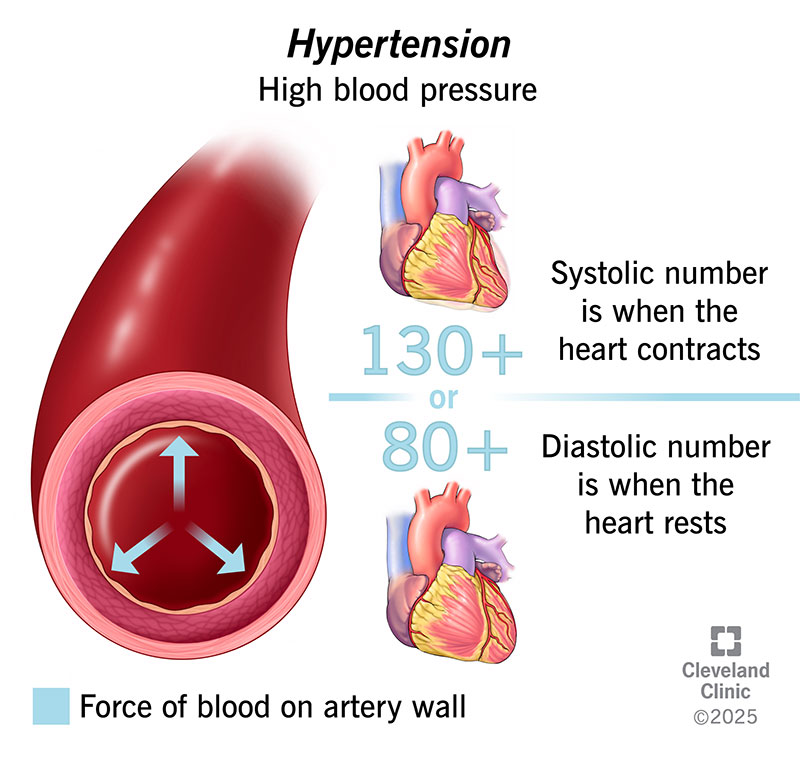
Blood pressure is the measurement of the force your blood exerts against the artery walls as your heart pumps. It is recorded using two numbers:
- Systolic pressure: The pressure when the heart contracts and pumps blood.
- Diastolic pressure: The pressure when the heart relaxes between beats.
A normal blood pressure reading is generally considered to be around 120/80 mmHg. Readings that remain consistently above the recommended range may indicate high blood pressure.
What Causes High Blood Pressure?
There is no single cause of hypertension. Instead, it often develops due to a combination of lifestyle habits, genetics, and aging. In many cases, the exact cause is unknown, especially in adults.
Several factors can increase the likelihood of developing high blood pressure, including:
- Excessive salt intake
- Being overweight or obese
- Physical inactivity
- Smoking
- Heavy alcohol consumption
- Chronic stress
- Family history of hypertension
- Older age
- Diabetes or kidney disease
Making healthier lifestyle choices can reduce many of these risk factors.
Symptoms of High Blood Pressure
One of the biggest challenges with hypertension is that it usually produces no obvious symptoms. Many people feel completely healthy even when their blood pressure is dangerously high.
In severe cases, symptoms may include:
- Persistent headaches
- Dizziness
- Blurred vision
- Chest pain
- Shortness of breath
- Nosebleeds
- Fatigue
However, these symptoms often appear only after blood pressure has reached a dangerous level. Regular blood pressure checks remain the best way to detect hypertension early.
Why High Blood Pressure Is Dangerous
When blood pressure stays elevated over time, it places extra strain on the heart and blood vessels. This additional stress gradually damages the arteries and increases the risk of several serious medical conditions.
Possible complications include:
- Heart attack
- Stroke
- Heart failure
- Kidney disease
- Vision problems
- Memory and cognitive decline
- Peripheral artery disease
Early diagnosis and proper treatment greatly reduce these risks.
How Is High Blood Pressure Diagnosed?
Healthcare professionals diagnose hypertension by measuring blood pressure using a blood pressure monitor. Since readings can vary throughout the day, multiple measurements taken over several visits may be needed before confirming the diagnosis.
Your healthcare provider may also recommend blood tests, urine tests, or heart examinations to determine whether high blood pressure has affected other organs or if another medical condition is contributing to it.
Treatment and Management
Managing high blood pressure usually involves a combination of healthy lifestyle changes and, if necessary, medication.
Healthy habits that help control blood pressure include:
- Eating a balanced diet rich in fruits, vegetables, and whole grains
- Reducing sodium (salt) intake
- Exercising regularly
- Maintaining a healthy body weight
- Quitting smoking
- Limiting alcohol consumption
- Managing stress through relaxation techniques and adequate sleep
If lifestyle changes alone are not enough, a healthcare provider may prescribe blood pressure medications. These medicines should always be taken exactly as directed.
Tips to Prevent High Blood Pressure
Preventing hypertension is often easier than treating its complications. You can lower your risk by:
- Monitoring your blood pressure regularly
- Staying physically active
- Choosing heart-healthy foods
- Maintaining a healthy weight
- Reducing processed and high-sodium foods
- Getting enough sleep
- Managing stress effectively
- Attending regular medical checkups
Small, consistent lifestyle improvements can make a significant difference in maintaining healthy blood pressure.
Conclusion
High blood pressure is a common but potentially serious condition that often develops without warning signs. Because it can silently damage vital organs, regular monitoring and early intervention are essential. By adopting healthy lifestyle habits, staying physically active, eating a nutritious diet, and following medical advice when needed, you can successfully manage your blood pressure and reduce the risk of life-threatening complications. Taking care of your heart today is an important investment in your future health.