Diabetes is a chronic health condition that affects how the body processes blood sugar, also known as glucose. Glucose is the body’s primary source of energy and comes from the food we eat. The hormone insulin, produced by the pancreas, helps move glucose from the bloodstream into the body’s cells, where it is used for energy. When the body does not produce enough insulin or cannot use it effectively, blood sugar levels rise, leading to diabetes.
Understanding what causes diabetes can help people recognize their risk factors and adopt healthier habits to reduce the likelihood of developing the condition.
How Diabetes Develops
Normally, after eating, carbohydrates are broken down into glucose and released into the bloodstream. In response, the pancreas releases insulin, allowing glucose to enter cells. In people with diabetes, this process is disrupted.
There are different types of diabetes, and each has its own underlying causes.
Causes of Type 1 Diabetes
Type 1 diabetes is an autoimmune disease. It occurs when the body’s immune system mistakenly attacks and destroys the insulin-producing beta cells in the pancreas. As a result, the body produces little or no insulin.
The exact reason this immune response occurs is still not fully understood, but experts believe several factors may contribute, including:
- Genetic predisposition
- Family history of autoimmune diseases
- Certain viral infections that may trigger the immune response
- Environmental factors
Type 1 diabetes often develops during childhood or adolescence, but it can occur at any age. People with this condition require lifelong insulin therapy.
Causes of Type 2 Diabetes
Type 2 diabetes is the most common form of diabetes. It develops when the body’s cells become resistant to insulin or when the pancreas cannot produce enough insulin to meet the body’s needs.
Several lifestyle and genetic factors contribute to Type 2 diabetes, including:
Being Overweight or Obese
Excess body fat, especially around the abdomen, increases insulin resistance, making it harder for cells to respond to insulin effectively.
Physical Inactivity
A lack of regular exercise can contribute to weight gain and reduce the body’s ability to use insulin efficiently.
Unhealthy Diet
Frequent consumption of foods high in added sugars, refined carbohydrates, saturated fats, and highly processed ingredients may increase the risk of developing Type 2 diabetes over time.
Family History
Having a parent or sibling with Type 2 diabetes increases the likelihood of developing the condition.
Age
Although diabetes can occur at any age, the risk generally increases after the age of 45. However, rising obesity rates have led to more cases among younger adults and children.
High Blood Pressure and High Cholesterol
These conditions are often linked to insulin resistance and increase the risk of Type 2 diabetes.
Causes of Gestational Diabetes
Gestational diabetes develops during pregnancy when hormonal changes make it more difficult for the body to use insulin effectively. Most women return to normal blood sugar levels after giving birth, but they may have a higher risk of developing Type 2 diabetes later in life.
Risk factors include:
- Being overweight before pregnancy
- Family history of diabetes
- Previous gestational diabetes
- Older maternal age
- Polycystic ovary syndrome (PCOS)
Common Risk Factors for Diabetes
Certain factors increase the overall risk of developing diabetes:
- Family history of diabetes
- Excess body weight
- Sedentary lifestyle
- Poor eating habits
- Smoking
- High blood pressure
- Abnormal cholesterol levels
- Increasing age
- History of gestational diabetes
While some risk factors, such as age and genetics, cannot be changed, many lifestyle-related risks can be reduced.
Can Diabetes Be Prevented?
Although Type 1 diabetes cannot currently be prevented, many cases of Type 2 diabetes can be delayed or prevented through healthy lifestyle choices.
Helpful prevention strategies include:
- Maintaining a healthy body weight
- Exercising regularly
- Eating a balanced diet rich in vegetables, fruits, whole grains, and lean proteins
- Limiting sugary drinks and processed foods
- Avoiding tobacco products
- Managing stress
- Getting adequate sleep
- Having regular medical checkups to monitor blood sugar levels
Even modest improvements in daily habits can significantly lower the risk of developing Type 2 diabetes.
When to See a Healthcare Provider
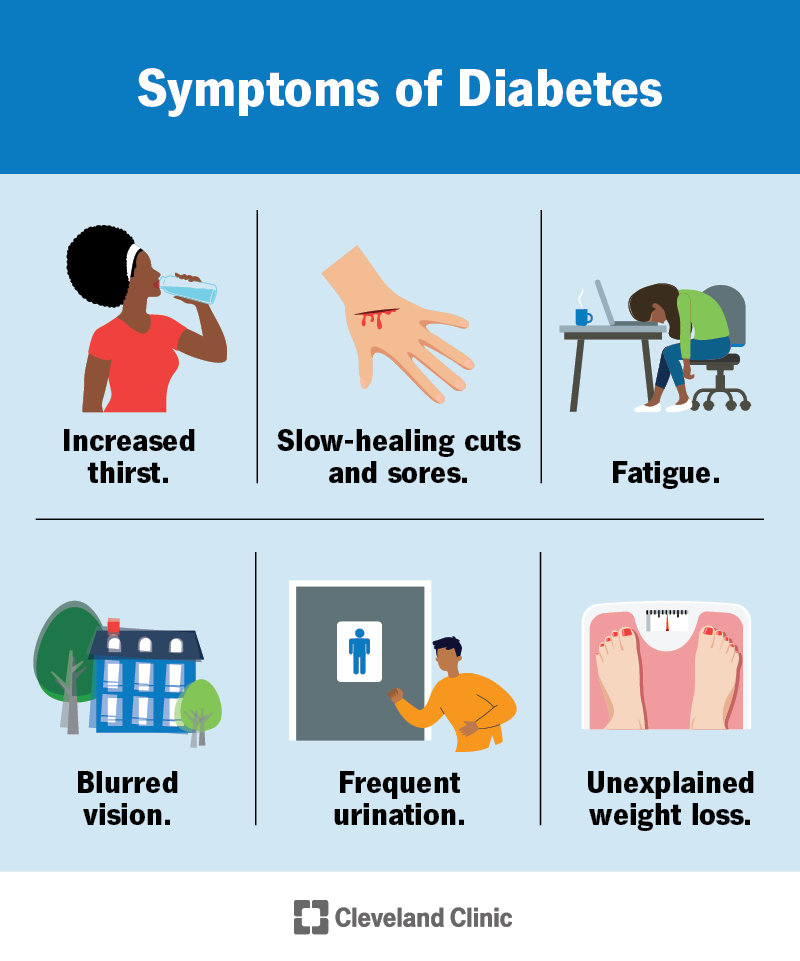
People who experience symptoms such as increased thirst, frequent urination, unexplained weight loss, extreme fatigue, blurred vision, or slow-healing wounds should seek medical evaluation. Early diagnosis allows for timely treatment and helps reduce the risk of complications.
Conclusion
Diabetes develops when the body cannot properly regulate blood sugar due to problems with insulin production or insulin use. Type 1 diabetes is primarily caused by an autoimmune response, while Type 2 diabetes is strongly influenced by lifestyle factors, genetics, and aging. Gestational diabetes occurs during pregnancy because of hormonal changes. Understanding these causes and taking preventive steps can help reduce the risk of Type 2 diabetes and support better long-term health. Regular checkups, a balanced diet, and an active lifestyle remain some of the most effective ways to protect against this common condition.