Heart disease is one of the leading causes of illness and death worldwide. It refers to a group of conditions that affect the heart and blood vessels, including coronary artery disease, heart failure, heart valve disorders, and irregular heart rhythms. While some heart conditions develop gradually over many years, others can occur suddenly and require immediate medical attention.
Recognizing the early symptoms of heart disease is essential because timely diagnosis and treatment can help prevent serious complications such as heart attacks, stroke, or heart failure. Although symptoms vary depending on the type of heart disease, there are several warning signs that everyone should know.
What Is Heart Disease?
Heart disease is a broad term used to describe conditions that affect the normal function of the heart. These conditions may reduce blood flow to the heart muscle, weaken the heart’s pumping ability, or disrupt its normal rhythm. Lifestyle habits, genetics, aging, and certain medical conditions all contribute to the development of heart disease.
Many people do not notice symptoms during the early stages, making regular health checkups an important part of prevention.
Common Symptoms of Heart Disease
Chest Pain or Discomfort
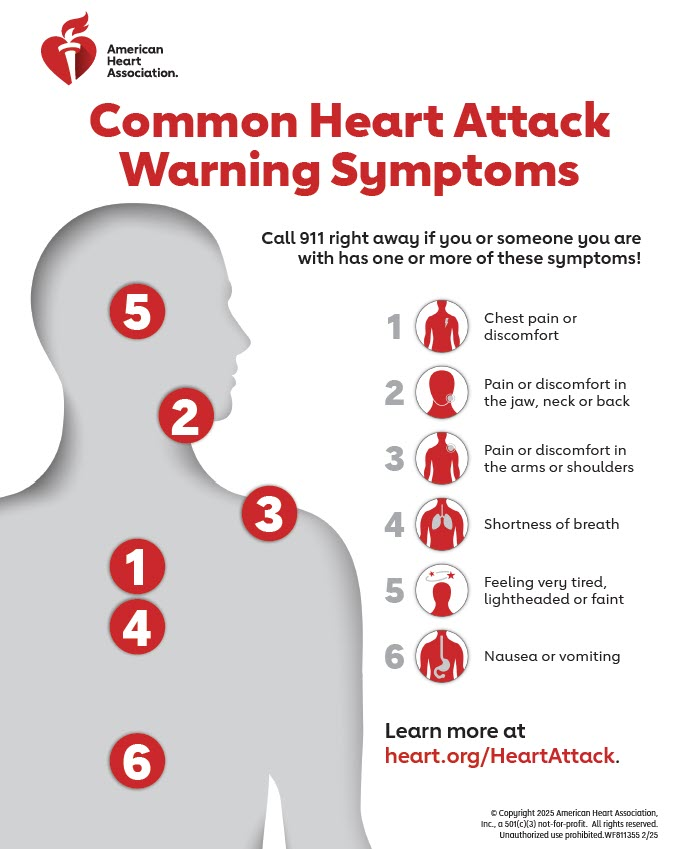
Chest pain, often called angina, is one of the most recognized symptoms of heart disease. It may feel like pressure, tightness, heaviness, squeezing, or burning in the center or left side of the chest. The discomfort may appear during physical activity or emotional stress and improve with rest.
Persistent or severe chest pain should never be ignored, especially if it lasts for several minutes or is accompanied by other symptoms.
Shortness of Breath
Difficulty breathing during daily activities or even while resting may indicate that the heart is not pumping blood efficiently. Shortness of breath can occur during exercise, while lying down, or during sleep.
Fatigue
Unusual or persistent fatigue is a common but often overlooked symptom. Feeling exhausted after routine activities that were previously easy may signal that the heart is struggling to circulate blood effectively.
Pain That Spreads Beyond the Chest
Heart-related pain is not always limited to the chest. It may spread to the:
- Left or right arm
- Shoulder
- Neck
- Jaw
- Back
- Upper abdomen
This type of pain is particularly common during a heart attack.
Rapid or Irregular Heartbeat
A racing, fluttering, or irregular heartbeat may indicate an abnormal heart rhythm, also known as an arrhythmia. While occasional palpitations are usually harmless, frequent or persistent irregular heartbeats should be evaluated by a healthcare provider.
Swelling in the Legs, Ankles, or Feet
When the heart cannot pump blood effectively, fluid may build up in the lower parts of the body. Swelling in the legs, ankles, or feet may be a sign of heart failure or other cardiovascular conditions.
Dizziness or Fainting
Reduced blood flow to the brain can cause dizziness, lightheadedness, or fainting. These symptoms may occur because of abnormal heart rhythms or other heart-related problems.
Cold Sweats
Sudden cold sweating without physical activity, particularly when accompanied by chest pain or shortness of breath, may indicate a heart attack and requires immediate medical attention.
Nausea or Indigestion
Some people, especially women, experience nausea, stomach discomfort, or indigestion instead of typical chest pain during a heart attack. Because these symptoms can resemble digestive problems, they should not be ignored if they occur alongside other warning signs.
Heart Disease Symptoms in Women
Heart disease symptoms can differ between men and women. Women are more likely to experience less obvious symptoms, including:
- Unusual fatigue
- Shortness of breath
- Nausea or vomiting
- Jaw or neck pain
- Back pain
- Dizziness
- Sleep disturbances
These symptoms may appear days or even weeks before a heart attack.
Risk Factors for Heart Disease
Several factors increase the risk of developing heart disease, including:
- High blood pressure
- High cholesterol
- Diabetes
- Smoking
- Obesity
- Physical inactivity
- Unhealthy diet
- Excessive alcohol consumption
- Chronic stress
- Family history of heart disease
- Increasing age
Managing these risk factors can significantly lower the likelihood of developing cardiovascular disease.
When to Seek Emergency Medical Care
Seek immediate medical attention if you or someone else experiences:
- Severe or persistent chest pain
- Pain spreading to the arm, jaw, neck, or back
- Sudden shortness of breath
- Fainting
- Cold sweats
- Nausea combined with chest discomfort
Prompt treatment during a heart attack can save heart muscle and improve survival.
How to Reduce Your Risk
Healthy lifestyle habits can help protect your heart:
- Eat a balanced diet rich in fruits, vegetables, whole grains, and lean proteins.
- Exercise regularly.
- Maintain a healthy weight.
- Avoid smoking and tobacco products.
- Limit alcohol consumption.
- Manage stress effectively.
- Get adequate sleep.
- Monitor blood pressure, cholesterol, and blood sugar levels.
- Schedule regular health checkups.
Conclusion
Heart disease often develops gradually, but its warning signs should never be overlooked. Symptoms such as chest pain, shortness of breath, unusual fatigue, swelling, dizziness, and irregular heartbeats may indicate an underlying heart condition. Recognizing these signs early and seeking timely medical care can prevent serious complications and improve long-term health. Combined with a heart-healthy lifestyle and regular medical checkups, early awareness remains one of the best defenses against heart disease.