Arthritis is a common condition that causes inflammation, pain, stiffness, and swelling in one or more joints. It can affect people of all ages, although it is more common in older adults. Arthritis is not a single disease but a broad term that refers to more than 100 different joint disorders. The condition can range from mild discomfort to severe joint damage that limits mobility and affects quality of life.
While arthritis cannot always be cured, early diagnosis, proper treatment, and healthy lifestyle habits can help manage symptoms, reduce pain, and improve daily function.
What Is Arthritis?
Arthritis occurs when the joints become inflamed or damaged. Joints are the places where two or more bones meet, allowing movement throughout the body. Healthy joints are protected by cartilage, a smooth tissue that cushions the ends of bones and helps them move easily.
When arthritis develops, the cartilage may wear away, the joint lining may become inflamed, or the body’s immune system may attack healthy joint tissues. This can result in pain, swelling, stiffness, and reduced movement.
Arthritis commonly affects the:
- Knees
- Hips
- Hands
- Fingers
- Feet
- Spine
- Shoulders
However, it can develop in almost any joint in the body.
Types of Arthritis
There are many different forms of arthritis, but the two most common types are osteoarthritis and rheumatoid arthritis.
Osteoarthritis
Osteoarthritis is the most common form of arthritis. It develops when the protective cartilage covering the ends of bones gradually wears down over time. As the cartilage breaks down, bones may rub against each other, causing pain, stiffness, and reduced joint flexibility.
Risk factors for osteoarthritis include:
- Aging
- Joint injuries
- Obesity
- Repetitive joint movements
- Family history
Rheumatoid Arthritis
Rheumatoid arthritis is an autoimmune disease in which the immune system mistakenly attacks the lining of the joints. This leads to inflammation, pain, swelling, and, over time, possible joint damage.
Unlike osteoarthritis, rheumatoid arthritis often affects the same joints on both sides of the body and may also affect organs such as the lungs, eyes, and heart.
Common Symptoms of Arthritis
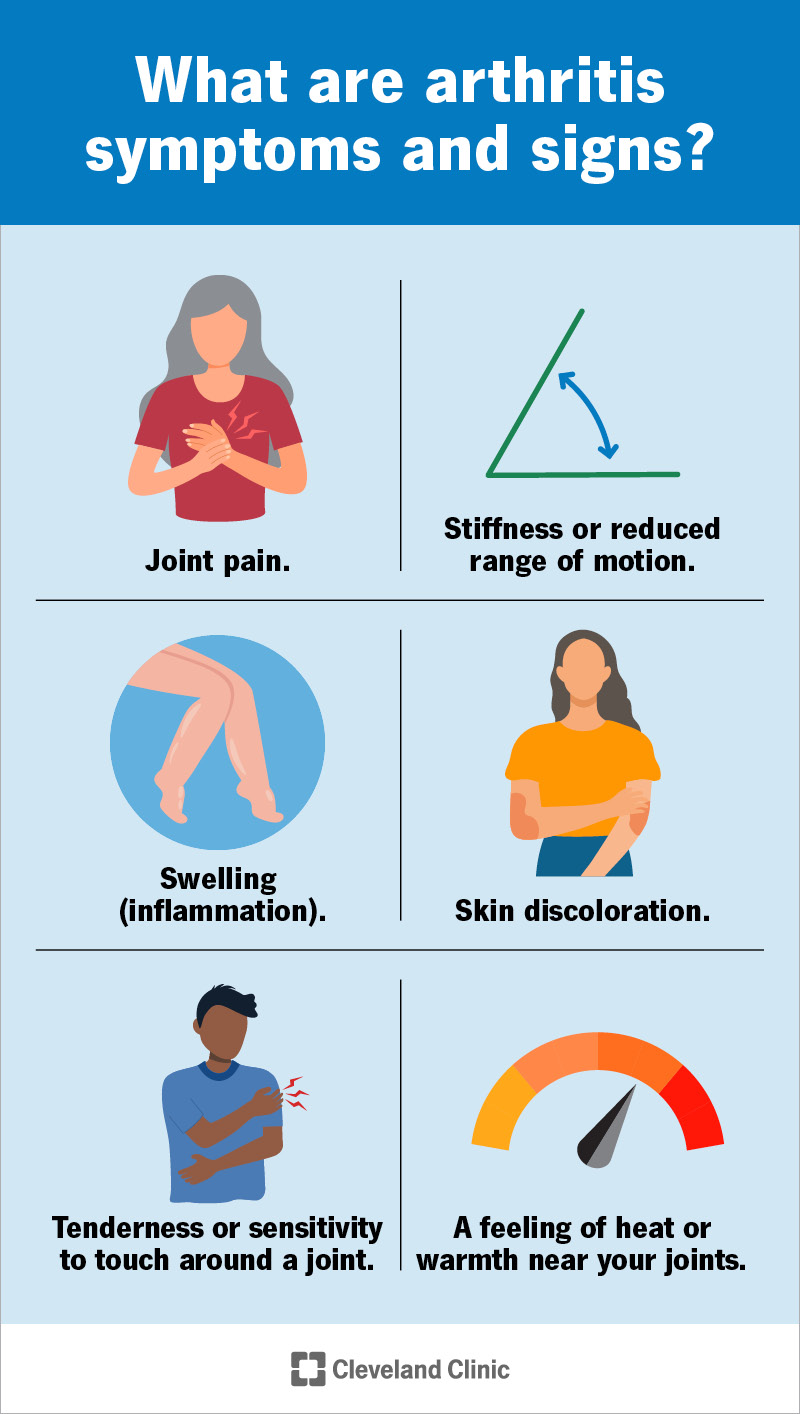
Symptoms vary depending on the type and severity of arthritis, but common signs include:
- Joint pain
- Stiffness, especially in the morning
- Swelling around the joints
- Reduced range of motion
- Tenderness when touching the joint
- Warmth or redness over the affected area
- Weakness around the joint
- Difficulty performing daily activities
Symptoms may develop gradually or appear suddenly, depending on the specific type of arthritis.
What Causes Arthritis?
The causes of arthritis differ depending on the type.
Common causes and contributing factors include:
- Natural wear and tear of joints
- Autoimmune disorders
- Previous joint injuries
- Genetic factors
- Obesity
- Repetitive stress on joints
- Infections in certain cases
Although some risk factors cannot be changed, maintaining a healthy lifestyle may help reduce the likelihood of developing certain forms of arthritis.
Risk Factors
Several factors increase the risk of arthritis:
- Increasing age
- Family history
- Being overweight or obese
- Previous joint injuries
- Occupations involving repetitive joint movements
- Smoking, particularly for rheumatoid arthritis
- Certain autoimmune conditions
How Is Arthritis Diagnosed?
Healthcare providers diagnose arthritis through a combination of:
- Medical history
- Physical examination
- Blood tests
- X-rays
- MRI or ultrasound imaging when needed
- Joint fluid analysis in certain situations
These tests help determine the type of arthritis and the extent of joint damage.
Treatment Options
Treatment focuses on reducing pain, controlling inflammation, maintaining joint function, and improving quality of life.
Common treatment options include:
- Pain-relieving medications
- Anti-inflammatory medications
- Physical therapy
- Regular exercise
- Weight management
- Assistive devices when needed
- Joint injections for certain conditions
- Surgery, including joint replacement, in severe cases
People with rheumatoid arthritis may also require medications that help control the immune system and slow disease progression.
Tips for Managing Arthritis
Many people can reduce symptoms by adopting healthy daily habits:
- Stay physically active with low-impact exercises such as walking, swimming, or cycling.
- Maintain a healthy body weight to reduce pressure on joints.
- Stretch regularly to improve flexibility.
- Eat a balanced diet rich in fruits, vegetables, whole grains, and healthy fats.
- Use proper body mechanics during daily activities.
- Get enough sleep to support recovery.
- Avoid smoking.
- Follow your healthcare provider’s treatment plan.
Consistent self-care can improve mobility and reduce discomfort over time.
When to Seek Medical Advice
Consult a healthcare provider if you experience:
- Persistent joint pain lasting several weeks
- Swollen or warm joints
- Morning stiffness lasting longer than 30 minutes
- Difficulty moving a joint
- Joint pain that interferes with daily activities
- Sudden swelling or severe pain in a joint
Early diagnosis and treatment can help prevent long-term joint damage.
Conclusion
Arthritis is a common condition that affects the joints and can cause pain, stiffness, swelling, and reduced mobility. The most common forms, osteoarthritis and rheumatoid arthritis, have different causes but can both significantly impact daily life if left untreated. While there is no universal cure, early diagnosis, appropriate medical care, regular physical activity, and healthy lifestyle choices can help manage symptoms and protect joint health. Understanding arthritis empowers individuals to take proactive steps toward maintaining mobility and improving their overall quality of life.