Headaches are one of the most common health complaints experienced by people of all ages. They can range from a mild, temporary discomfort to severe pain that interferes with daily activities. While most headaches are not a sign of a serious medical condition, recurring or severe headaches should not be ignored, especially if they occur suddenly or are accompanied by other concerning symptoms.
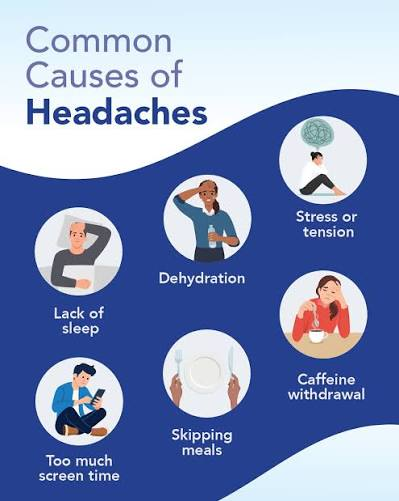
Understanding the common causes of headaches can help you identify possible triggers, manage symptoms effectively, and know when to seek medical care.
What Is a Headache?
A headache is pain or discomfort in the head, scalp, face, or neck. The pain may be sharp, throbbing, dull, or constant and can affect one or both sides of the head. Headaches are generally classified as primary headaches, which are not caused by another medical condition, and secondary headaches, which result from an underlying health problem.
Most headaches are temporary and improve with rest, hydration, or over-the-counter pain relief. However, frequent headaches may require medical evaluation.
Tension Headaches
Tension headaches are the most common type of headache. They often feel like a tight band around the head or a dull ache on both sides.
Common triggers include:
- Stress
- Anxiety
- Poor posture
- Muscle tension in the neck and shoulders
- Fatigue
- Long hours at a computer
These headaches are usually mild to moderate and may last from a few hours to several days.
Migraine
Migraines are more than just severe headaches. They often cause intense, throbbing pain, usually on one side of the head.
Migraine symptoms may include:
- Nausea or vomiting
- Sensitivity to light
- Sensitivity to sound
- Blurred vision
- Visual disturbances known as aura in some people
Common migraine triggers include hormonal changes, lack of sleep, stress, certain foods, dehydration, and environmental factors.
Dehydration
Not drinking enough water can lead to dehydration, which is a common cause of headaches. When the body lacks adequate fluids, blood flow and oxygen delivery to the brain may be affected, resulting in headache pain.
Drinking enough water throughout the day is a simple way to reduce the risk of dehydration-related headaches.
Lack of Sleep
Insufficient or poor-quality sleep can trigger headaches by affecting brain function and increasing stress hormones. Both too little sleep and excessive sleeping may contribute to headache development.
Maintaining a consistent sleep schedule supports overall health and may help reduce headache frequency.
Stress and Anxiety
Emotional stress is a major contributor to headaches. During stressful situations, muscles in the neck, shoulders, and scalp may tighten, leading to tension headaches.
Long-term stress may also increase the likelihood of migraines in susceptible individuals.
Eye Strain
Spending extended periods looking at computers, smartphones, or other digital devices can cause eye strain and headaches.
Common causes include:
- Prolonged screen time
- Poor lighting
- Uncorrected vision problems
- Reading for long periods without breaks
Following the 20-20-20 rule—looking at something 20 feet away for 20 seconds every 20 minutes—may help reduce eye strain.
Sinus Problems
Sinus infections and allergies can cause inflammation and pressure in the sinus cavities, leading to headaches around the forehead, eyes, and cheeks.
These headaches are often accompanied by:
- Nasal congestion
- Facial tenderness
- Runny nose
- Fever in cases of infection
Treating the underlying sinus condition often relieves the headache.
High Blood Pressure
Although mild high blood pressure usually does not cause headaches, extremely elevated blood pressure may lead to severe headaches along with dizziness, blurred vision, or chest pain. This situation requires prompt medical evaluation.
Caffeine and Withdrawal
Moderate caffeine intake may temporarily relieve headaches in some people. However, consuming excessive amounts or suddenly stopping caffeine after regular use can trigger withdrawal headaches.
Maintaining consistent caffeine consumption and avoiding excessive intake may help prevent these headaches.
Certain Foods and Drinks
Some individuals are sensitive to specific foods or beverages that may trigger headaches.
Common dietary triggers include:
- Alcohol
- Processed meats
- Aged cheeses
- Chocolate
- Foods containing monosodium glutamate (MSG)
- Artificial sweeteners
Keeping a food diary can help identify personal triggers.
Medication Overuse
Using pain-relief medications too frequently can lead to medication-overuse headaches, also known as rebound headaches. This occurs when the body becomes dependent on frequent pain medication, causing headaches to return as the medication wears off.
Always follow the recommended dosage and consult a healthcare provider if headaches become frequent.
When to Seek Medical Attention
Seek immediate medical care if a headache:
- Appears suddenly and is extremely severe
- Occurs after a head injury
- Is accompanied by fever, confusion, seizures, or stiff neck
- Causes weakness, numbness, or difficulty speaking
- Becomes more frequent or progressively worse
- Does not improve with appropriate treatment
These symptoms may indicate a serious underlying medical condition.
Tips to Help Prevent Headaches
You can reduce the risk of headaches by:
- Drinking plenty of water
- Getting enough sleep
- Managing stress through relaxation techniques
- Exercising regularly
- Eating balanced meals at regular times
- Limiting alcohol and excessive caffeine
- Taking regular breaks from screens
- Maintaining good posture
- Identifying and avoiding personal headache triggers
Conclusion
Headaches are common and can result from a wide range of factors, including stress, dehydration, lack of sleep, migraines, eye strain, sinus problems, and certain lifestyle habits. While most headaches are not dangerous, persistent or severe headaches should be evaluated by a healthcare provider. Understanding your headache triggers and adopting healthy daily habits can help reduce their frequency and improve your overall quality of life.