Pneumonia is a lung infection that causes inflammation in one or both lungs. The infection can fill the tiny air sacs in the lungs, known as alveoli, with fluid or pus, making it difficult for oxygen to reach the bloodstream. As a result, people with pneumonia may experience coughing, fever, chest pain, and difficulty breathing.
Pneumonia can affect people of all ages, but it is especially serious in young children, older adults, pregnant women, and individuals with weakened immune systems or chronic health conditions. While many cases are mild and recover with proper treatment, severe pneumonia can become life-threatening if left untreated. Understanding its causes, symptoms, and treatment options is essential for protecting lung health.
How the Lungs Work
The lungs are responsible for supplying oxygen to the body and removing carbon dioxide. Inside the lungs are millions of tiny air sacs where oxygen enters the bloodstream.
When pneumonia develops, these air sacs become inflamed and may fill with fluid, reducing the lungs’ ability to exchange oxygen efficiently. This can make breathing difficult and place extra strain on the body.
What Causes Pneumonia?
Pneumonia can be caused by various microorganisms, including bacteria, viruses, and fungi.
Bacterial Pneumonia
Bacterial pneumonia is one of the most common types, particularly in adults. It may develop on its own or after a cold or influenza.
Viral Pneumonia
Viruses that cause colds, influenza, or other respiratory illnesses can also lead to pneumonia. Viral pneumonia is often milder than bacterial pneumonia but may become serious in some individuals.
Fungal Pneumonia
Fungal pneumonia is less common and usually affects people with weakened immune systems or those exposed to certain environmental fungi.
Risk Factors
Several factors increase the risk of developing pneumonia, including:
- Age under 5 years or over 65 years
- Smoking
- Chronic lung diseases such as asthma or chronic obstructive pulmonary disease (COPD)
- Diabetes
- Heart disease
- Weakened immune system
- Recent respiratory infections
- Hospitalization, especially with mechanical ventilation
- Poor nutrition
People with these risk factors should take extra precautions to reduce their risk of infection.
Common Symptoms of Pneumonia
Symptoms can range from mild to severe depending on the cause, age, and overall health of the individual.
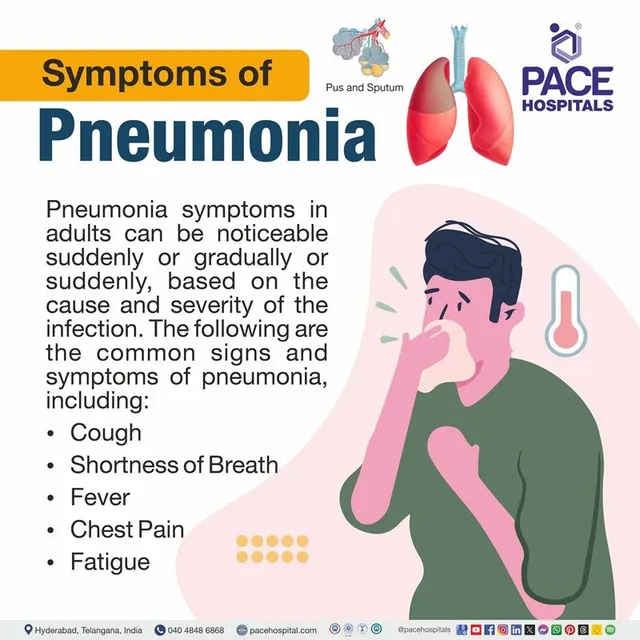
Common symptoms include:
- Persistent cough, sometimes producing mucus
- Fever
- Chills
- Shortness of breath
- Chest pain that worsens during coughing or deep breathing
- Fatigue
- Rapid breathing
- Sweating
- Loss of appetite
- Confusion, particularly in older adults
Young children may also show signs such as poor feeding, irritability, or unusual sleepiness.
How Is Pneumonia Diagnosed?
Healthcare providers diagnose pneumonia using a combination of:
- Medical history
- Physical examination
- Listening to the lungs with a stethoscope
- Chest X-ray
- Blood tests
- Pulse oximetry to measure oxygen levels
- Sputum testing in certain cases
Additional tests may be recommended for severe infections or people with underlying medical conditions.
Treatment for Pneumonia
Treatment depends on the cause and severity of the infection.
Possible treatments include:
- Antibiotics for bacterial pneumonia
- Antiviral medications in selected cases of viral pneumonia
- Antifungal medications for fungal pneumonia
- Fever-reducing and pain-relieving medications
- Adequate rest
- Drinking plenty of fluids
- Oxygen therapy for severe cases
- Hospital care when necessary
Most healthy individuals recover completely with timely treatment, although recovery may take several weeks.
Possible Complications
If left untreated or if the infection is severe, pneumonia can lead to complications such as:
- Difficulty breathing
- Fluid accumulation around the lungs
- Lung abscess
- Bloodstream infection (sepsis)
- Respiratory failure
Prompt medical care significantly reduces the risk of these complications.
How to Help Prevent Pneumonia
Several healthy habits can lower the risk of pneumonia:
- Wash your hands regularly.
- Avoid smoking and secondhand smoke.
- Eat a balanced diet to support the immune system.
- Exercise regularly.
- Get enough sleep.
- Stay hydrated.
- Manage chronic health conditions effectively.
- Follow recommended vaccinations for respiratory illnesses when advised by a healthcare provider.
Good hygiene and healthy lifestyle choices play an important role in preventing lung infections.
When to Seek Medical Attention
Seek medical care if you experience:
- High fever that does not improve
- Persistent cough with thick or bloody mucus
- Chest pain during breathing
- Difficulty breathing
- Blue lips or fingertips
- Confusion or extreme drowsiness
- Symptoms that worsen or fail to improve after several days
Immediate medical attention is especially important for infants, older adults, and people with weakened immune systems.
Conclusion
Pneumonia is a common lung infection that causes inflammation and fluid buildup in the air sacs of the lungs, making breathing more difficult. It can result from bacterial, viral, or fungal infections and ranges from mild illness to a life-threatening condition. Recognizing symptoms early, seeking prompt medical care, and following the recommended treatment plan are essential for a full recovery. Maintaining good hygiene, avoiding smoking, managing chronic conditions, and supporting overall health can help reduce the risk of pneumonia and protect long-term lung function.