The liver is one of the largest and most important organs in the human body. It performs hundreds of essential functions, including filtering toxins from the blood, producing bile to aid digestion, storing nutrients, regulating blood sugar levels, and helping the body fight infections. When the liver becomes damaged or diseased, its ability to perform these functions may decline, leading to a wide range of symptoms and health complications.
Liver disease includes many conditions, such as fatty liver disease, hepatitis, cirrhosis, liver infections, and liver cancer. While some liver diseases develop gradually without noticeable symptoms, others may progress more rapidly. Recognizing the warning signs early can help ensure timely diagnosis and treatment.
What Is Liver Disease?
Liver disease refers to any condition that damages the liver or affects its normal function. Some liver conditions are temporary and treatable, while others can become chronic and lead to permanent liver damage if left untreated.
Common causes of liver disease include:
- Viral infections such as hepatitis
- Excessive alcohol consumption
- Non-alcoholic fatty liver disease (NAFLD)
- Obesity
- Diabetes
- Autoimmune diseases
- Certain medications
- Genetic disorders
The symptoms of liver disease often depend on the underlying cause and the severity of liver damage.
Early Symptoms of Liver Disease
Many liver diseases cause few or no symptoms in their early stages. As the condition progresses, people may begin to notice changes in their health.
Common early symptoms include:
Fatigue
Persistent tiredness and low energy are among the most common symptoms of liver disease. The liver’s reduced ability to process nutrients and remove toxins may contribute to ongoing fatigue.
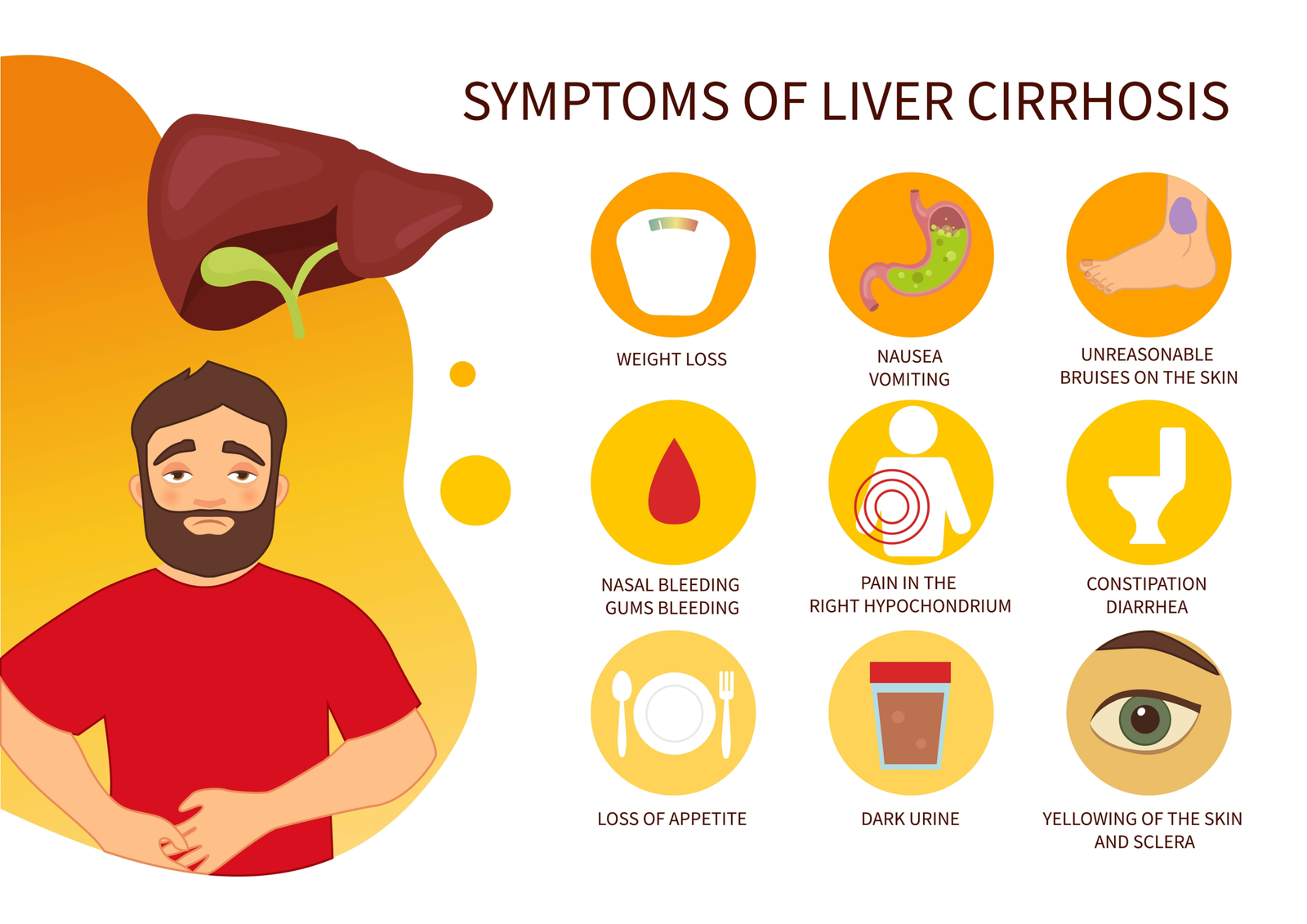
Loss of Appetite
People with liver disease may lose interest in food or feel full quickly, which can lead to unintended weight loss.
Nausea and Vomiting
Digestive problems, including nausea and occasional vomiting, may occur as liver function declines.
Abdominal Discomfort
Pain or discomfort in the upper right side of the abdomen, where the liver is located, can be an early warning sign of liver disease.
Advanced Symptoms of Liver Disease
As liver damage becomes more severe, additional symptoms may develop.
Jaundice
Jaundice causes the skin and the whites of the eyes to appear yellow. It occurs when bilirubin, a yellow pigment normally processed by the liver, builds up in the bloodstream.
Dark-Colored Urine
Urine may become darker than usual due to increased bilirubin levels.
Pale or Clay-Colored Stools
Changes in bile production or flow may cause stools to appear pale, gray, or clay-colored.
Swelling in the Abdomen
Fluid accumulation in the abdomen, known as ascites, can cause noticeable swelling and discomfort.
Swelling in the Legs and Ankles
Reduced liver function may lead to fluid retention, causing swelling in the lower limbs.
Itchy Skin
Persistent itching without an obvious cause may occur when bile salts accumulate in the bloodstream.
Easy Bruising and Bleeding
The liver produces proteins that help blood clot. Liver disease may reduce the production of these proteins, making bruising and bleeding more likely.
Confusion or Difficulty Concentrating
Severe liver disease can allow toxins to build up in the bloodstream and affect brain function, leading to confusion, memory problems, or difficulty concentrating.
Common Risk Factors
Several factors increase the risk of developing liver disease, including:
- Excessive alcohol consumption
- Obesity
- Type 2 diabetes
- Viral hepatitis infections
- High cholesterol
- Family history of liver disease
- Exposure to certain toxins
- Long-term use of some medications
Reducing these risk factors may help protect liver health.
How Is Liver Disease Diagnosed?
Healthcare providers diagnose liver disease using a combination of:
- Medical history
- Physical examination
- Blood tests that measure liver function
- Ultrasound or other imaging studies
- CT scan or MRI in selected cases
- Liver biopsy when needed
These tests help identify the cause and extent of liver damage.
Treatment Options
Treatment depends on the specific liver disease and its severity.
Management may include:
- Treating the underlying cause
- Avoiding alcohol
- Maintaining a healthy body weight
- Eating a balanced diet
- Managing diabetes and cholesterol
- Medications for viral hepatitis or autoimmune liver disease
- Regular monitoring of liver function
- Liver transplantation in advanced cases
Following medical advice can help slow disease progression and improve quality of life.
How to Support Liver Health
Healthy habits can reduce the risk of liver disease and support liver function.
Helpful tips include:
- Maintain a healthy weight.
- Eat a diet rich in fruits, vegetables, whole grains, and lean proteins.
- Limit alcohol consumption.
- Exercise regularly.
- Avoid smoking.
- Use medications only as directed.
- Get vaccinated against hepatitis when recommended.
- Practice good hygiene and safe behaviors to reduce the risk of viral hepatitis.
- Attend regular health checkups.
When to Seek Medical Attention
Consult a healthcare provider if you experience:
- Yellowing of the skin or eyes
- Persistent abdominal pain
- Ongoing fatigue
- Unexplained weight loss
- Swelling of the abdomen or legs
- Dark urine or pale stools
- Persistent nausea
- Easy bruising or bleeding
Early diagnosis can help prevent serious complications and improve treatment outcomes.
Conclusion
Liver disease can affect many essential functions of the body and often develops without obvious symptoms in its early stages. Common warning signs include fatigue, loss of appetite, abdominal discomfort, jaundice, swelling, and changes in urine or stool color. Recognizing these symptoms and seeking prompt medical evaluation can lead to earlier diagnosis and more effective treatment. Maintaining a healthy lifestyle, limiting alcohol, managing chronic conditions, and attending regular health checkups are important steps in protecting liver health and reducing the risk of long-term complications.