Kidney disease is a condition in which the kidneys become damaged and lose their ability to function properly. The kidneys are two bean-shaped organs located on either side of the spine, just below the rib cage. They play a vital role in filtering waste products and excess fluids from the blood, balancing minerals, regulating blood pressure, and producing hormones that support red blood cell production and bone health.
When the kidneys are unable to perform these essential functions effectively, waste and fluids can build up in the body, leading to serious health complications. Kidney disease can develop gradually over many years or occur suddenly due to injury or illness. Early detection and proper treatment are key to slowing its progression and protecting overall health.
What Do the Kidneys Do?
Healthy kidneys perform several important functions, including:
- Filtering waste products from the blood
- Removing excess water through urine
- Balancing electrolytes such as sodium and potassium
- Regulating blood pressure
- Producing hormones that stimulate red blood cell production
- Supporting healthy bones by helping regulate vitamin D and calcium
When kidney function declines, these processes become less effective, affecting many parts of the body.
Types of Kidney Disease
There are several forms of kidney disease, with the two main types being chronic kidney disease and acute kidney injury.
Chronic Kidney Disease (CKD)
Chronic kidney disease develops gradually over months or years. It occurs when the kidneys slowly lose their filtering ability. In the early stages, many people have no symptoms, making regular health checkups especially important.
If left untreated, chronic kidney disease can progress to kidney failure, where the kidneys can no longer adequately support the body’s needs.
Acute Kidney Injury (AKI)
Acute kidney injury is a sudden decline in kidney function that develops over hours or days. It may result from severe dehydration, infections, certain medications, reduced blood flow to the kidneys, or other medical emergencies.
Unlike chronic kidney disease, acute kidney injury may improve if the underlying cause is treated promptly.
Common Causes of Kidney Disease
Several medical conditions and lifestyle factors can increase the risk of kidney disease.
Common causes include:
- Diabetes
- High blood pressure
- Chronic kidney infections
- Kidney stones
- Polycystic kidney disease
- Autoimmune diseases
- Long-term use of certain pain-relieving medications
- Urinary tract blockages
- Severe dehydration
- Reduced blood flow to the kidneys
Managing these conditions can help reduce the risk of kidney damage.
Symptoms of Kidney Disease
Early kidney disease often develops without noticeable symptoms. As kidney function declines, symptoms may become more apparent.
Common symptoms include:
- Fatigue
- Swelling of the feet, ankles, or hands
- Changes in urination frequency or appearance
- Foamy urine
- Blood in the urine
- Persistent itching
- Muscle cramps
- Nausea or vomiting
- Loss of appetite
- Difficulty concentrating
- Shortness of breath
- High blood pressure
These symptoms can also occur with other medical conditions, so professional evaluation is important.
Risk Factors
Several factors increase the likelihood of developing kidney disease, including:
- Diabetes
- High blood pressure
- Family history of kidney disease
- Obesity
- Smoking
- Older age
- Heart disease
- High cholesterol
- Long-term use of certain medications
People with these risk factors should have regular kidney health evaluations.
How Is Kidney Disease Diagnosed?
Healthcare providers diagnose kidney disease using several tests, including:
- Blood tests to measure kidney function
- Urine tests to check for protein or blood
- Estimated glomerular filtration rate (eGFR)
- Urine albumin testing
- Kidney ultrasound or other imaging studies
- Kidney biopsy in selected cases
These tests help determine the severity of kidney disease and identify its underlying cause.
Treatment Options
Treatment depends on the type and stage of kidney disease.
Management may include:
- Controlling blood pressure
- Managing blood sugar levels
- Medications to protect kidney function
- Reducing dietary sodium
- Following a kidney-friendly eating plan
- Treating underlying medical conditions
- Avoiding medications that may damage the kidneys
- Dialysis for advanced kidney failure
- Kidney transplantation in appropriate cases
Early treatment can significantly slow disease progression.
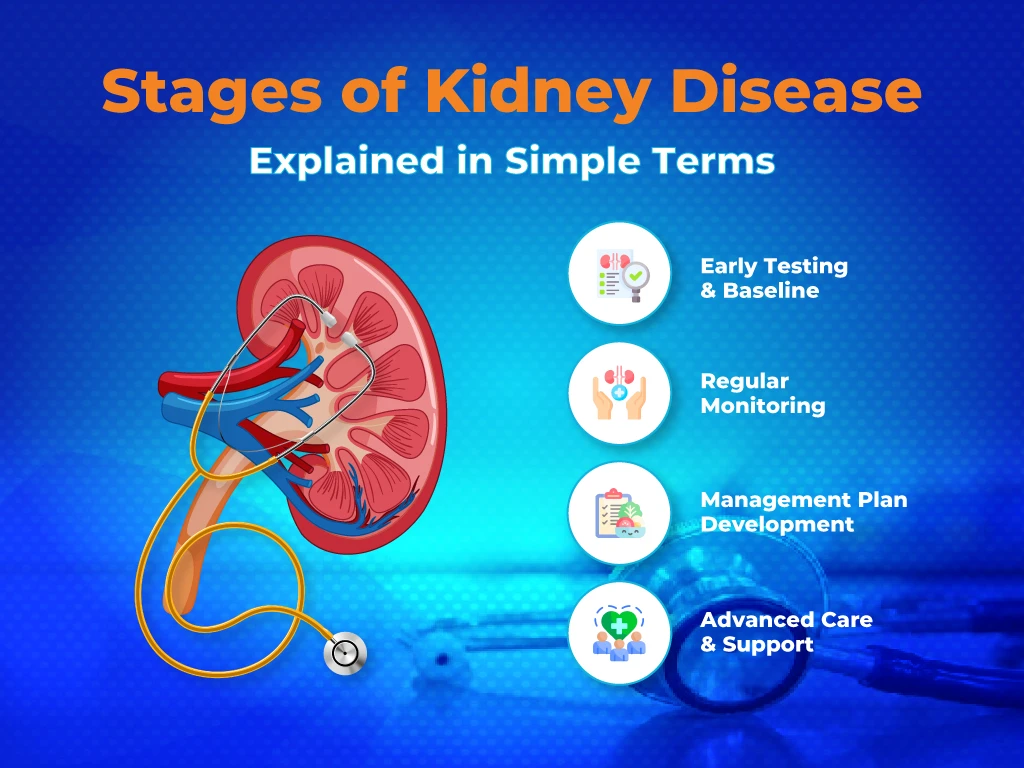
How to Protect Your Kidneys
Healthy lifestyle habits play an important role in preventing kidney disease and preserving kidney function.
Helpful strategies include:
- Maintain healthy blood pressure.
- Keep blood sugar within recommended levels if you have diabetes.
- Drink enough water unless your healthcare provider advises otherwise.
- Eat a balanced diet rich in fruits, vegetables, whole grains, and lean proteins.
- Limit excessive salt intake.
- Exercise regularly.
- Avoid smoking.
- Limit alcohol consumption.
- Use medications only as directed.
- Attend regular health screenings.
These habits support both kidney health and overall well-being.
Possible Complications
If kidney disease progresses without treatment, it may lead to:
- Kidney failure
- High blood pressure
- Heart disease
- Anemia
- Bone disease
- Fluid buildup
- Electrolyte imbalances
- Increased risk of infections
Early diagnosis greatly reduces the likelihood of these complications.
When to See a Healthcare Provider
Seek medical advice if you experience:
- Persistent swelling
- Blood in the urine
- Changes in urination
- Ongoing fatigue
- Unexplained high blood pressure
- Persistent nausea
- Family history of kidney disease combined with new symptoms
Regular kidney function testing is especially important for individuals with diabetes or high blood pressure.
Conclusion
Kidney disease is a serious condition that affects the kidneys’ ability to filter waste, regulate fluids, and maintain the body’s internal balance. Although it often develops silently, early detection through routine medical checkups can help prevent permanent kidney damage. Managing conditions such as diabetes and high blood pressure, adopting a healthy lifestyle, and following medical advice are essential steps in protecting kidney function. With timely diagnosis and appropriate treatment, many people with kidney disease can slow its progression and maintain a good quality of life.