Thyroid disease is a group of conditions that affect the thyroid gland, a small butterfly-shaped gland located at the front of the neck. Although the thyroid is small, it plays a vital role in regulating many of the body’s essential functions. It produces hormones that control metabolism, energy production, heart rate, body temperature, growth, and development.
When the thyroid gland produces too much or too little hormone, it can disrupt the body’s normal balance and lead to a wide range of health problems. Thyroid disease is common and can affect people of all ages, but it is more frequently diagnosed in women than in men. With early diagnosis and appropriate treatment, most thyroid disorders can be managed effectively.
What Is the Thyroid Gland?
The thyroid gland is part of the endocrine system, which consists of glands that produce hormones to regulate various body functions. The thyroid releases two primary hormones:
- Thyroxine (T4)
- Triiodothyronine (T3)
These hormones help regulate how the body uses energy, known as metabolism. They also influence heart function, digestion, body temperature, muscle strength, and brain development.
The production of thyroid hormones is controlled by thyroid-stimulating hormone (TSH), which is released by the pituitary gland in the brain.
Types of Thyroid Disease
Several conditions can affect the thyroid gland. The most common include:
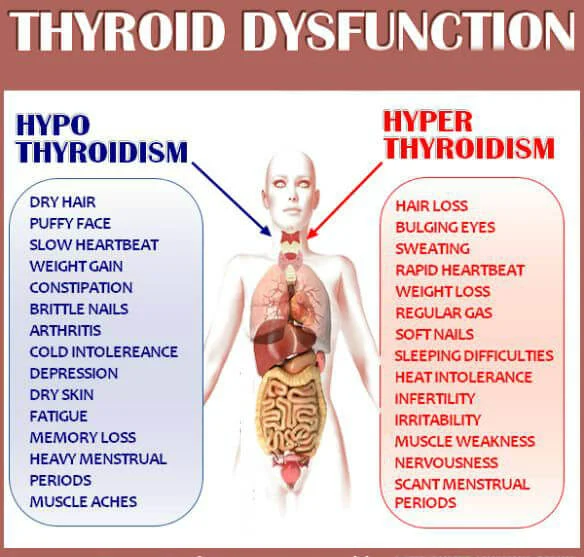
Hypothyroidism
Hypothyroidism occurs when the thyroid gland does not produce enough thyroid hormones. This slows down many of the body’s normal functions.
Common symptoms include:
- Fatigue
- Weight gain
- Feeling cold
- Dry skin
- Constipation
- Depression
- Slow heart rate
- Hair thinning
- Muscle weakness
Hypothyroidism often develops gradually and may go unnoticed in its early stages.
Hyperthyroidism
Hyperthyroidism develops when the thyroid produces too much hormone, causing the body’s metabolism to speed up.
Common symptoms include:
- Unexplained weight loss
- Rapid or irregular heartbeat
- Anxiety or nervousness
- Tremors
- Excessive sweating
- Heat intolerance
- Increased appetite
- Difficulty sleeping
- Frequent bowel movements
Without treatment, hyperthyroidism can affect the heart and other organs.
Goiter
A goiter is an enlargement of the thyroid gland. It may occur with normal, increased, or decreased thyroid hormone levels. Depending on its size, a goiter may cause swelling in the neck or difficulty swallowing.
Thyroid Nodules
Thyroid nodules are lumps that develop within the thyroid gland. Most nodules are benign (non-cancerous), but some require further evaluation to rule out thyroid cancer.
Thyroid Cancer
Although relatively uncommon, thyroid cancer occurs when abnormal cells grow within the thyroid gland. It is often highly treatable, especially when diagnosed early.
What Causes Thyroid Disease?
Several factors can contribute to thyroid disorders, including:
- Autoimmune diseases such as Hashimoto’s thyroiditis or Graves’ disease
- Family history of thyroid disease
- Iodine deficiency or excessive iodine intake
- Thyroid inflammation (thyroiditis)
- Certain medications
- Radiation therapy involving the neck
- Pregnancy-related hormonal changes
In many cases, thyroid disease results from a combination of genetic and environmental factors.
Risk Factors
The risk of thyroid disease increases with:
- Female sex
- Age over 60 years
- Family history of thyroid disorders
- Autoimmune diseases
- Previous thyroid surgery
- Radiation exposure to the neck
- Pregnancy or recent childbirth
Understanding these risk factors can help support early detection.
How Is Thyroid Disease Diagnosed?
Healthcare providers diagnose thyroid disease through:
- Medical history
- Physical examination
- Blood tests measuring TSH, T3, and T4 levels
- Thyroid ultrasound
- Radioactive iodine uptake scan in selected cases
- Fine-needle biopsy for suspicious thyroid nodules
These tests help determine the type of thyroid disorder and guide treatment decisions.
Treatment Options
Treatment depends on the specific thyroid condition.
Possible treatments include:
- Thyroid hormone replacement medication for hypothyroidism
- Medications that reduce thyroid hormone production for hyperthyroidism
- Radioactive iodine therapy
- Surgery to remove part or all of the thyroid gland
- Regular monitoring of thyroid hormone levels
Most people respond well to treatment and can maintain normal daily activities.
Tips for Maintaining Thyroid Health
While not all thyroid diseases can be prevented, healthy habits may support overall thyroid function:
- Eat a balanced diet that includes adequate iodine, unless advised otherwise by a healthcare provider.
- Maintain a healthy body weight.
- Exercise regularly.
- Avoid smoking.
- Attend routine medical checkups.
- Follow prescribed treatment if you have a thyroid disorder.
- Report new or worsening symptoms to your healthcare provider.
Regular monitoring is important, especially for individuals already diagnosed with thyroid disease.
When to See a Healthcare Provider
Consult a healthcare provider if you experience:
- Persistent fatigue
- Unexplained weight gain or weight loss
- Swelling in the neck
- Rapid or slow heartbeat
- Hair loss
- Ongoing constipation
- Heat or cold intolerance
- Difficulty swallowing
- Changes in mood or energy levels
Early diagnosis can help prevent complications and improve long-term health.
Conclusion
Thyroid disease refers to a range of conditions that affect the thyroid gland and its ability to produce hormones that regulate metabolism and many other essential body functions. The most common disorders include hypothyroidism, hyperthyroidism, goiter, thyroid nodules, and thyroid cancer. Recognizing the symptoms and seeking timely medical evaluation can lead to early diagnosis and effective treatment. With proper medical care, regular monitoring, and healthy lifestyle habits, most people with thyroid disease can successfully manage their condition and enjoy a healthy, active life.