Blood sugar, also known as blood glucose, is the amount of glucose circulating in your bloodstream. Glucose is the body’s primary source of energy and comes from the carbohydrates found in foods such as fruits, vegetables, grains, dairy products, and sweets. Maintaining healthy blood sugar levels is essential because both high and low blood sugar can affect your overall health and increase the risk of serious medical conditions.
Whether you have diabetes or simply want to maintain good health, understanding how blood sugar works can help you make informed lifestyle choices and reduce your risk of future health problems.
What Is Blood Sugar?
Blood sugar refers to the concentration of glucose in your blood. After you eat, carbohydrates are broken down into glucose, which enters your bloodstream. In response, the pancreas releases a hormone called insulin. Insulin helps move glucose from the blood into the body’s cells, where it is used as energy or stored for future use.
When this process works properly, blood sugar remains within a healthy range. However, if the body produces too little insulin or cannot use it effectively, blood sugar levels may become too high or too low.
Why Blood Sugar Levels Matter
Your body relies on a steady supply of glucose to fuel the brain, muscles, and other organs. Healthy blood sugar levels help maintain energy, support normal body functions, and reduce the risk of long-term health complications.
When blood sugar stays too high for extended periods, it can damage blood vessels and nerves. On the other hand, blood sugar that drops too low may interfere with normal brain function and require immediate attention.
Normal Blood Sugar Levels
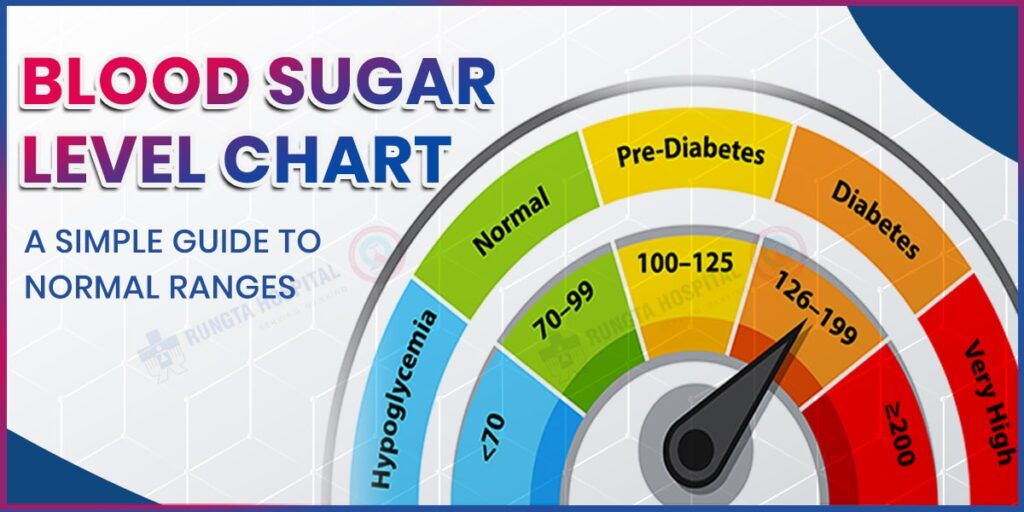
Blood sugar levels naturally rise after eating and decrease between meals. Healthcare providers may use different tests to evaluate blood sugar, including fasting blood glucose, random blood glucose, and the A1C test, which estimates average blood sugar over the previous two to three months.
The exact target range varies depending on factors such as age, overall health, pregnancy, and whether a person has diabetes. Your healthcare provider can explain what range is appropriate for your individual situation.
Causes of High Blood Sugar
High blood sugar, also known as hyperglycemia, occurs when there is too much glucose in the bloodstream.
Common causes include:
- Diabetes
- Eating large amounts of sugary or refined carbohydrate foods
- Physical inactivity
- Stress
- Illness or infection
- Certain medications, such as corticosteroids
- Missing or insufficient diabetes medication
If left untreated, high blood sugar can lead to serious health complications over time.
Symptoms of High Blood Sugar
Common signs of elevated blood sugar include:
- Increased thirst
- Frequent urination
- Blurred vision
- Fatigue
- Increased hunger
- Slow-healing cuts or wounds
- Unexplained weight loss
- Frequent infections
Persistent symptoms should be evaluated by a healthcare provider.
Causes of Low Blood Sugar
Low blood sugar, known as hypoglycemia, occurs when glucose levels fall below normal.
Possible causes include:
- Taking too much insulin or diabetes medication
- Skipping meals
- Eating too little
- Intense physical activity without adequate nutrition
- Drinking alcohol without food
People with diabetes are more likely to experience hypoglycemia, particularly if they use insulin or certain medications.
Symptoms of Low Blood Sugar
Low blood sugar may develop quickly and cause symptoms such as:
- Shakiness
- Sweating
- Dizziness
- Hunger
- Headache
- Rapid heartbeat
- Confusion
- Difficulty concentrating
- Irritability
Severe hypoglycemia can lead to seizures, loss of consciousness, or other medical emergencies if not treated promptly.
How Blood Sugar Is Measured
Blood sugar can be monitored using several methods:
- Blood glucose meter
- Continuous glucose monitor (CGM)
- Laboratory blood tests
- A1C test
Regular monitoring helps individuals with diabetes understand how food, exercise, medications, and daily activities affect their glucose levels.
Tips for Maintaining Healthy Blood Sugar
Healthy lifestyle habits can help support stable blood sugar levels:
- Eat balanced meals that include vegetables, whole grains, lean proteins, and healthy fats.
- Limit sugary beverages and highly processed foods.
- Exercise regularly.
- Maintain a healthy body weight.
- Drink enough water throughout the day.
- Get sufficient sleep.
- Manage stress through relaxation techniques or physical activity.
- Follow prescribed medications if you have diabetes.
- Attend regular medical checkups and monitor blood sugar as recommended.
These habits can benefit both people with diabetes and those looking to prevent blood sugar problems.
When to Seek Medical Advice
Contact a healthcare provider if you experience persistent symptoms of high or low blood sugar, have difficulty controlling your glucose levels, or notice changes such as frequent infections, unexplained weight loss, or blurred vision. Early diagnosis and treatment can help prevent complications and improve overall health.
Conclusion
Blood sugar plays a critical role in providing energy for the body’s cells and supporting normal organ function. Keeping blood sugar within a healthy range is important for preventing diabetes-related complications and maintaining overall well-being. A balanced diet, regular exercise, healthy weight management, and routine medical care are key to supporting stable blood sugar levels. Understanding how blood sugar works empowers you to make healthier choices and take an active role in protecting your long-term health.